
When buyers ask for a soap making machine price, there is rarely a single number. The price of a soap production line depends on what you want to produce and how much of it. This guide explains the main factors that decide the price, so you can compare quotations properly and avoid paying for capacity you do not need.
There is rarely a single soap making machine price: it depends on what you produce and how much of it. Capacity is the biggest driver, followed by whether you buy Part B only or add Part A saponification, the automation level, stainless-steel build quality, packing requirements, and shipping and installation beyond the factory price.
| Factor | Lower-cost option in the article | Higher-cost option in the article |
|---|---|---|
| 1. Production capacity | Small line finishing 100–300 kg/h, with smaller mixers, plodders and stampers | Plant designed for 1,000 kg/h or more, needing heavier frames, larger motors and more steel |
| 2. Part A or Part B | Part B only (finishing line turning noodles into packed bars) — much cheaper | Complete plant adding Part A (saponification and vacuum drying system making noodles from oils and caustic soda) |
| 3. Level of automation | Semi-automatic line with a manual cutter — far less expensive; often most profitable where labour costs are low | Fully automatic line with automatic cutting machine, high-speed stamping machine and automatic packing machine |
| 4. Materials and build quality | Painted carbon-steel machines — cheaper, but a cheaper quote often hides mild-steel contact parts | Food-grade stainless steel contact parts — cost more, resist corrosion, last longer, produce cleaner soap |
| 5. Packing requirements | Simple stretch-film wrapping — the cheapest option | Pillow packing (more), paper pleated wrapping (premium toilet soap), cartoning machine for boxed soap (largest investment) |
| 6. Shipping and installation | Factory price alone (not the final cost) | Plus sea freight to the nearest port, customs, inland transport and installation; ask for an FOB or CIF quotation to compare landed cost |
Factor 1: Production Capacity and the Soap Making Machine Price
Capacity is the biggest price driver. A small line that finishes 100–300 kg of soap per hour uses smaller mixers, plodders and stampers than a plant designed for 1,000 kg/h or more. Bigger machines need heavier frames, larger motors and more steel, so the price rises with output. The smart approach is to size the line for the market you can realistically sell into during the first one to two years, then expand later.
Factor 2: Part A or Part B — Where Your Process Starts
A complete soap plant has two parts. Part A is the saponification and vacuum drying system that makes soap noodles from oils and caustic soda. Part B is the finishing line that turns soap noodles into packed bars. Buying Part B only is much cheaper, because soap noodles are widely available from suppliers. Most beginners start with Part B and add Part A later, once sales are stable. Our guide Soap Noodles vs Direct Saponification compares the two routes in detail.
Factor 3: Level of Automation
A semi-automatic line with a manual cutter costs far less than a fully automatic line with an automatic cutting machine, a high-speed soap stamping machine and an automatic packing machine. Automation raises the price but cuts labour cost and improves consistency. In regions with low labour costs, semi-automatic equipment is often the most profitable starting point.
Factor 4: Materials and Build Quality
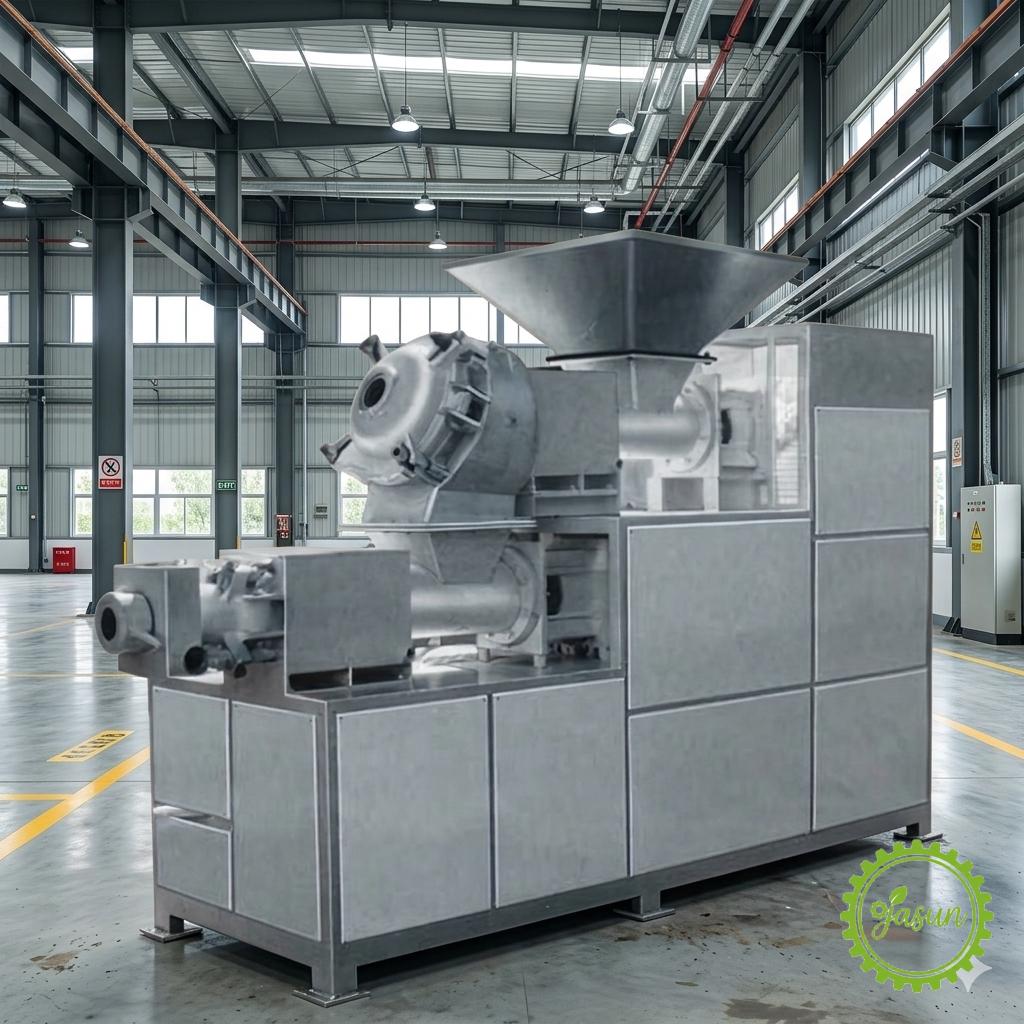
Parts that touch the soap should be stainless steel, and the grade matters. Lines built with food-grade stainless steel contact parts cost more than painted carbon-steel machines, but they resist corrosion, last longer and produce cleaner soap. When you compare two quotations, always check which parts are stainless and which are not; a cheaper quote often hides mild-steel contact parts.
Factor 5: Packing Requirements
How you pack the soap changes the budget. Simple stretch-film wrapping is the cheapest option. Pillow packing costs more, paper pleated wrapping suits premium toilet soap, and a cartoning machine for boxed soap is the largest investment. Choose packing that matches your market: economy laundry soap rarely needs a box, while retail toilet soap usually does.
Factor 6: Shipping and Installation Beyond the Soap Making Machine Price
The soap making machine price is not the final cost. Sea freight to your nearest port, customs, inland transport and installation all add to the budget. Ask for an FOB or CIF quotation so you can compare the landed cost, not just the factory price.
How to Get an Accurate Soap Making Machine Price
To quote accurately, a supplier needs three things from you: the soap type (toilet soap, laundry soap, or both), the capacity per hour you want, and whether you start from oils or soap noodles. Send these details to Jasun Machinery on WhatsApp +86-13937853263 or by email at [email protected], and you will receive a quotation with specifications for the right line. If you are still deciding, read How to Choose a Soap Production Line first.