
Setting up a small soap factory is easier than most people think. In fact, you do not need a huge plant or a big team. What you need is the right process, the right machines in the right order, and a realistic plan. This step-by-step guide walks you through the whole small soap factory setup, from choosing your soap to packing the first bars.
Setting up a small soap factory takes six steps: choose one soap type, start from ready-made soap noodles, prepare a clean, dry workshop with reliable power, install a finishing line (mixer, refiner, three-roll mill, vacuum plodder, cutter or stamper, and packing machine), run test batches, then pack, brand and sell. Starting from noodles avoids the saponification plant, so a small factory needs only a modest workshop and a small team. Jasun delivers lines in 30 days with a 12-month warranty, and an engineer can install the line on site or guide your team remotely.
Setting up a small soap factory starts with choosing one soap type, then starting from ready-made soap noodles, which avoids a chemical reaction and needs a smaller workshop. Install a finishing line — mixer, refiner, three-roll mill, vacuum plodder, cutter or stamper, and packing machine — test batches for weight and hardness, then pack, brand and sell locally.
Small Soap Factory Setup at a Glance
| Step | What to do | Detail from the article |
|---|---|---|
| 1. Decide what soap you will sell | Choose laundry soap, toilet soap, or start with one and add the second later | Laundry soap is high-volume, low-price; toilet soap sells at a higher price per bar and needs better fragrance, colour and finish |
| 2. Choose your raw material route | Make soap from oils and caustic soda by saponification, or buy ready-made soap noodles | Noodles are the simpler route for a small factory: no chemical reaction to manage, smaller workshop, much lower starting investment |
| 3. Prepare the workshop | Clean, dry workshop with reliable power and floor space for the line layout | Mixer, mill, plodder, cutter or stamper, and packing arranged in a straight line with room to walk around; plus storage and water for cleaning |
| 4. Install the core machines | The finishing line | Noodles go into a mixer with fragrance and pigment, then through a refiner and three-roll mill, a vacuum plodder extrudes a continuous bar, which is cut and shaped by a stamping machine, then wrapped by a packing machine |
| 5. Test production and quality control | Run test batches before selling | Check bar weight, hardness after drying, fragrance strength and how cleanly the stamper releases each bar; adjust moisture and mixing time until bars are consistent |
| 6. Packing, branding and sales | Choose packing that fits your buyers | Film wrap for economy bars, paper wrap or printed boxes for retail; register your brand, print contact details on the pack, start with local wholesalers and shops |
Step 1: Decide What Soap You Will Sell
Everything starts with your market. For example, laundry soap is a high-volume, low-price product sold everywhere. In contrast, toilet soap sells at a higher price per bar and needs better fragrance, colour and finish. In fact, many small factories start with one product and add the second later. As a result, your choice decides the machines, the moulds and the packing you need.
Step 2: Choose Your Raw Material Route
You can make soap from oils and caustic soda by saponification, or buy ready-made soap noodles and start from the finishing stage. For a small factory, starting with soap noodles is the simpler route: no chemical reaction to manage, a smaller workshop, and a much lower starting investment. We compare both routes in Soap Noodles vs Direct Saponification.
Step 3: Prepare the Workshop for Your Small Soap Factory Setup
First, a small finishing line needs a clean, dry workshop with a reliable power supply and enough floor space for the line layout: mixer, mill, plodder, cutter or stamper, and packing, arranged in a straight line with room to walk around. You also need storage space for soap noodles, fragrance, pigment and finished stock, plus water for cleaning.
Step 4: Install the Core Machines for Your Small Soap Factory Setup
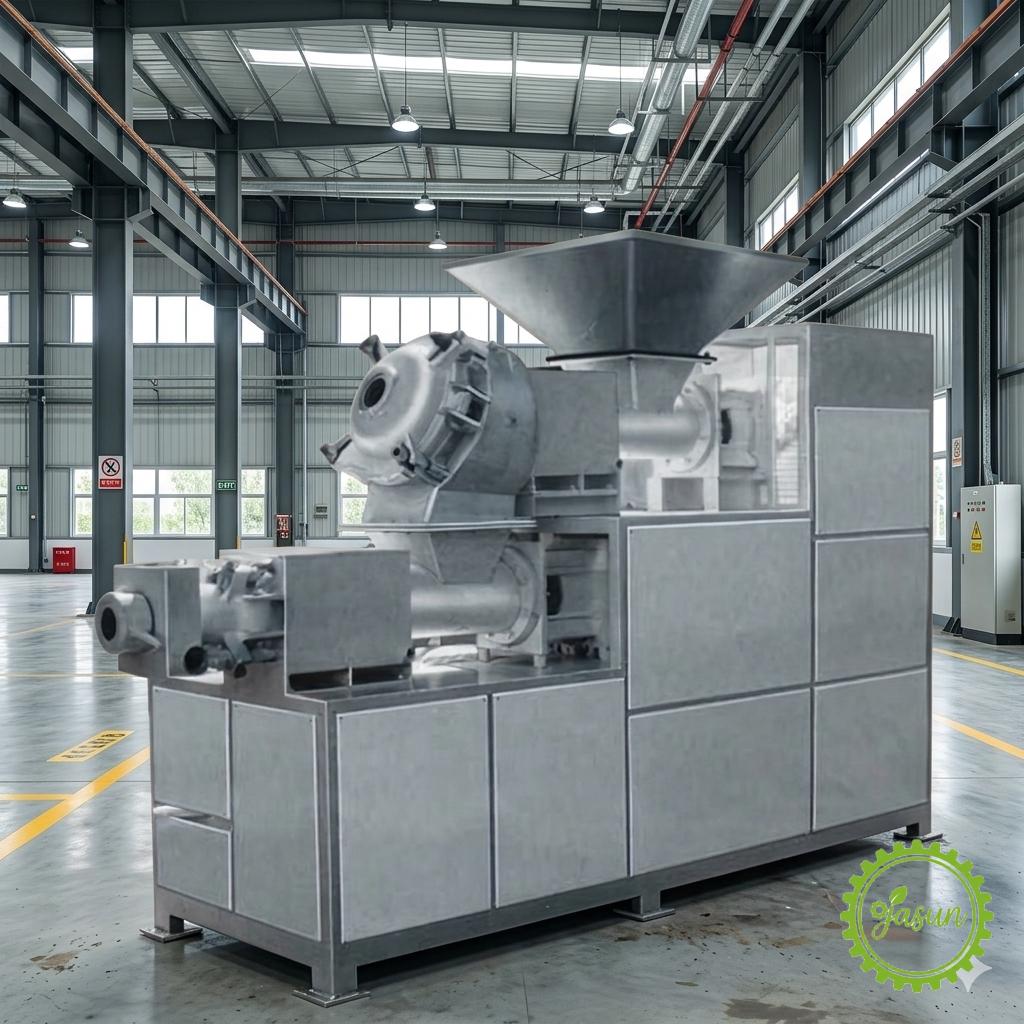
The heart of a small factory is the finishing line. Soap noodles go into a soap mixer with fragrance and pigment. The mix then passes through a refiner and a three-roll mill to become smooth and uniform. A vacuum plodder extrudes a continuous bar, which is cut to length and shaped by a soap stamping machine. Finally, a packing machine wraps the bars for sale. A small soap production line combines these stages in a compact footprint designed for start-ups.
Step 5: Test Production and Quality Control
Before selling, run test batches. In particular, check the bar weight, hardness after drying, fragrance strength and how cleanly the stamper releases each bar. Then adjust the formula, the drying time or the machine settings until the bars are consistent. In addition, keep a simple record of each batch, so you can repeat what works.
Step 6: Packing, Branding and Sales
Choose packing that fits your buyers: film wrap for economy bars, paper wrap or printed boxes for retail. Then, register your brand, print your contact details on the pack, and start with local wholesalers and shops. For example, many of our customers begin with one town’s market and expand region by region.
How Much Should You Budget for a Small Soap Factory Setup?
The budget for a small soap factory setup depends mainly on capacity and automation. Our article How Much Does It Cost to Start a Small Soap Factory? breaks down the equipment list, and Soap Making Machine Price explains what drives the cost up or down. Finally, when you are ready, send your target capacity and soap type to Jasun Machinery on WhatsApp +86-13937853263 or email [email protected] for a complete line proposal matched to your budget.
Frequently asked questions
What are the steps to set up a small soap factory?
Six steps: choose one soap type, start from ready-made soap noodles, prepare the workshop, install the finishing line, run test batches for weight and hardness, then pack, brand and sell. This guide walks through each step in order.
How much space do I need for a small soap factory?
A small factory needs a clean, dry workshop with reliable power and enough floor space for the finishing line. The smallest footprint is the handmade line at 6 × 4 × 3.5 metres; toilet and laundry lines need workshops from 4 metres long, growing with capacity.
What power supply does a small soap factory need?
Our machines run on 380V/220V, 50/60Hz, and the voltage configuration can be customised to your local supply. Power demand depends on capacity — a handmade line uses 26 KW, while toilet soap lines range from 20 to 153 KW — so check your workshop supply early.
How much does it cost to start a small soap factory?
The budget depends mainly on capacity and automation, so there is no single figure. The smallest entry point is a small laundry soap finishing line starting from purchased soap noodles, which skips the saponification investment; send your target capacity and soap type for a complete line proposal matched to your budget.